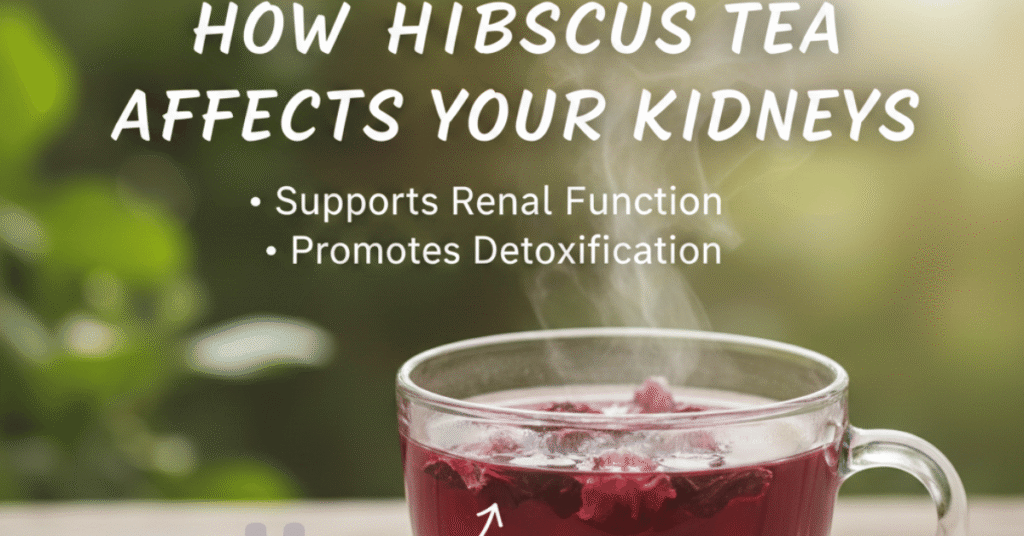

Hibiscus tea is more than just a refreshing beverage—it’s a herbal powerhouse known for its vibrant red color, tart flavor, and numerous health benefits. Many people enjoy hibiscus tea daily for its blood pressure-lowering effects, antioxidants, and potential kidney benefits. But what is the hibiscus tea effect on kidneys? Can it help maintain kidney health, or are there risks to be aware of?
In this guide, we’ll explore the science behind hibiscus tea, how it affects kidney function, its benefits, possible side effects, and tips for safe consumption.
What Is Hibiscus Tea and Its Benefits?
Hibiscus tea is a herbal infusion made from the dried petals of the hibiscus flower (Hibiscus sabdariffa). It’s naturally caffeine-free, making it an ideal choice for anyone avoiding stimulants.
Key Benefits of Hibiscus Tea
-
Blood pressure support: Studies show it can help lower systolic and diastolic blood pressure.
-
Rich in antioxidants: Protects cells from oxidative stress and inflammation.
-
Supports liver health: Helps detoxify the liver and improve metabolic function.
-
Hydration and diuretic effects: Promotes urine production, which can support kidney function.
-
May aid weight management: Contains compounds that may reduce fat absorption.
Tip: Try organic hibiscus tea for the purest flavor and maximum health benefits.
How Hibiscus Tea Affects Kidneys
The kidneys play a crucial role in filtering waste, balancing fluids, and maintaining electrolyte levels. Hibiscus tea can impact kidney function in several ways:
Positive Effects
-
Diuretic properties: Helps flush out toxins by increasing urine output, which can reduce the risk of kidney stones.
-
Antioxidant support: The antioxidants in hibiscus tea help protect kidney cells from oxidative stress.
-
Blood pressure control: Lowering blood pressure reduces strain on the kidneys and helps prevent kidney damage.
Potential Risks
-
Excessive consumption may lead to electrolyte imbalance due to its mild diuretic effect.
-
People with low blood pressure should monitor intake to avoid dizziness or fainting.
-
Those on medications for blood pressure or diuretics should consult a doctor before regular consumption.
Note: Drinking 1–2 cups daily is generally safe for most healthy adults.
Hibiscus Tea Side Effects
While generally safe, hibiscus tea can have mild side effects for some:
-
Low blood pressure: May exacerbate hypotension.
-
Allergic reactions: Rare, but possible in sensitive individuals.
-
Pregnancy concerns: High doses may stimulate uterine contractions; moderate intake is typically safe, but consult your doctor.
Does Hibiscus Tea Have Caffeine?
No, hibiscus tea is naturally caffeine-free, making it a relaxing option for evening consumption or for those avoiding stimulants.
How to Make Hibiscus Tea
Making hibiscus tea is simple and versatile:
Basic Hibiscus Tea Recipe
Ingredients:
-
1–2 tablespoons dried hibiscus petals
-
2 cups water
-
Optional: honey, lemon, or ginger
Instructions:
-
Boil water and add dried hibiscus petals.
-
Let steep for 5–10 minutes.
-
Strain into a cup and enjoy hot or chilled.
Tips
-
Use fresh or organic petals for maximum health benefits.
-
Adjust steeping time for desired tartness.
-
Combine with herbs like mint or chamomile for enhanced flavor.
Hibiscus Tea Benefits for Women and Health Conditions
-
Menstrual support: May help with bloating and mild cramping.
-
Pregnancy: Consult a doctor before regular intake.
-
Weight management: Can support metabolism and fat reduction.
-
Kidney support: Helps maintain hydration and flush out toxins.
FAQs About Hibiscus Tea and Kidneys
Q1: Does hibiscus tea improve kidney function?
Yes, its diuretic and antioxidant properties may support kidney health when consumed in moderation.
Q2: Can hibiscus tea lower blood pressure?
Studies indicate that hibiscus tea can help reduce blood pressure in adults with mild hypertension.
Q3: Is hibiscus tea safe during pregnancy?
Moderate amounts are usually safe, but consult your doctor before regular consumption.
Q4: How much hibiscus tea should I drink daily?
1–2 cups per day is generally safe and beneficial for most adults.
Q5: Can hibiscus tea interact with medications?
Yes, especially blood pressure medications or diuretics; consult a healthcare professional before regular use.
Conclusion
Hibiscus tea is a delicious, natural way to support kidney health, manage blood pressure, and boost overall well-being. Its antioxidants and diuretic properties make it particularly beneficial for kidney function, but moderation is key.
By understanding how hibiscus tea affects kidneys, you can safely enjoy this herbal tea as part of a healthy lifestyle.