
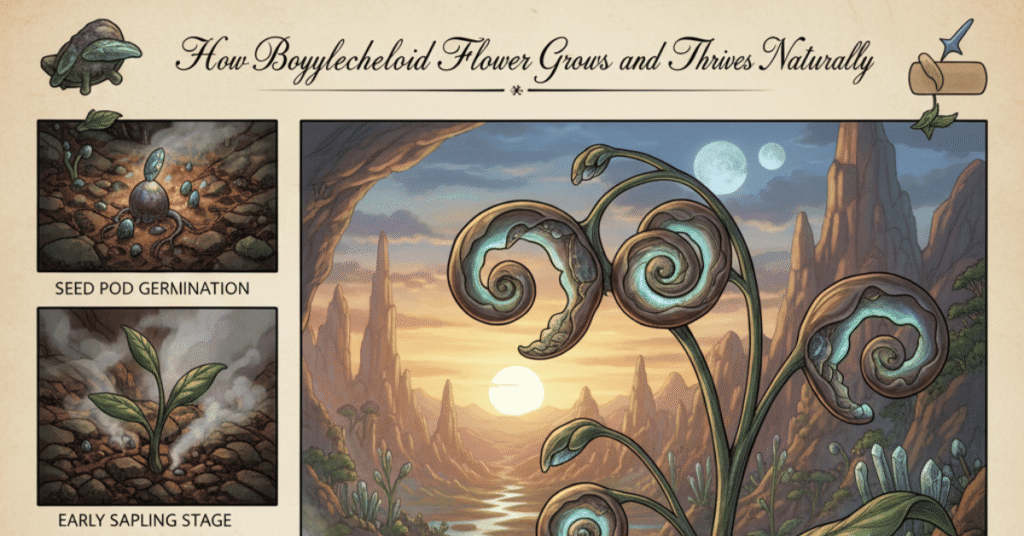

Nature never runs out of surprises, and the boylecheloid flower is a perfect example of that beauty. Known for its delicate structure, vibrant coloring, and unique growth patterns, this fascinating bloom has caught the attention of gardeners, botanists, and plant enthusiasts worldwide.
In this guide, we’ll explore how the boylecheloid flower grows, its origins, uses, care tips, and why it’s becoming a favorite among modern plant lovers.
What Is the Boylecheloid Flower?
The boylecheloid flower is a rare ornamental bloom recognized for its elegant petals and distinctive fragrance. Often associated with bougiebunna, it belongs to a group of flowering plants admired for both beauty and resilience.
Key Characteristics of Boylecheloid
-
Soft, layered petals
-
Subtle natural fragrance
-
Bright seasonal colors
-
Hardy growth habits
These features make boylecheloid ideal for both decorative gardens and indoor plant collections.
How Boylecheloid Grows in Natural Conditions
Understanding how boylecheloid grows helps gardeners achieve healthy blooms.
Natural Growth Environment
Boylecheloid flowers thrive in:
-
Mild to warm climates
-
Well-drained, nutrient-rich soil
-
Partial to full sunlight
-
Moderate watering schedules
When planted in the right conditions, this flower develops strong roots and long-lasting blossoms.
The Role of Bougiebunna in Boylecheloid Development
The connection between boylecheloid and bougiebunna lies in their similar botanical traits. Bougiebunna often serves as a companion plant that enhances soil quality and pollination, supporting healthier growth.
Benefits of Pairing With Bougiebunna
-
Improved nutrient absorption
-
Natural pest resistance
-
Enhanced flowering cycles
-
Better soil moisture balance
This natural pairing promotes sustainable gardening methods.
How to Plant and Care for Boylecheloid Flower
Caring for the boylecheloid flower is simple when you follow basic gardening principles.
Step-by-Step Planting Guide
-
Choose a sunny planting spot
-
Prepare loose, fertile soil
-
Plant seeds or saplings gently
-
Water moderately
-
Apply organic fertilizer monthly
Daily Care Tips
-
Avoid overwatering
-
Prune dead leaves regularly
-
Protect from harsh winds
-
Monitor for pests naturally
Health, Decorative, and Ecological Benefits of Boylecheloid
Beyond its beauty, boylecheloid offers several benefits.
Key Benefits
-
Enhances garden aesthetics
-
Supports pollinators like bees and butterflies
-
Helps improve air quality
-
Adds natural fragrance to living spaces
These advantages make it ideal for eco-friendly landscaping.
Common Problems and Solutions
Even resilient plants face challenges. Here’s how to solve common boylecheloid flower issues:
| Problem | Solution |
| Yellow leaves | Reduce watering |
| Slow growth | Improve soil nutrients |
| Pest infestation | Use neem oil spray |
| Wilting | Increase sunlight exposure |
FAQs About Boylecheloid Flower
What is a boylecheloid flower?
It’s a rare ornamental bloom valued for beauty, fragrance, and resilience.
Is boylecheloid easy to grow?
Yes, with moderate care and proper sunlight, it grows easily.
How often should I water boylecheloid?
Two to three times per week, depending on climate.
Can boylecheloid grow indoors?
Yes, provided it receives sufficient natural light.
What is bougiebunna used for?
It improves soil health and enhances flowering performance.
Conclusion: Why Boylecheloid Flower Deserves a Place in Your Garden
The boylecheloid flower combines elegance, resilience, and ecological benefits, making it a perfect choice for modern gardens. Whether you’re a beginner or experienced gardener, adding boylecheloid and bougiebunna to your collection can elevate your landscape naturally.
If you’re seeking beauty, sustainability, and easy maintenance, boylecheloid is a plant worth growing.